




Bical Chevrolet of Valley Stream

Blog / Chevrolet Protection Plan

Chevrolet Protection Plan: What Every Driver Should Know

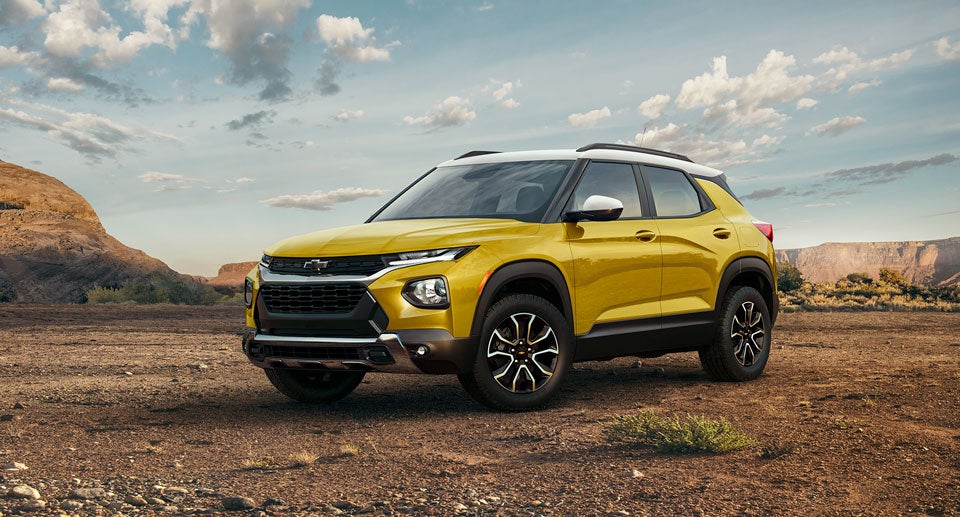
Yellow Chevrolet Trax SUV parked in a desert landscape with mountains in the background

Driving home in a new Chevrolet is definitely exciting—and protecting the vehicle you invested in matters just as much as choosing the right model. The Chevrolet Protection Plan gives drivers a straightforward way to plan for unexpected repair costs after the factory warranty expires. Whether you just drove off the lot or you’ve been enjoying your Chevy for a while, understanding your coverage options can save you money and stress down the road. For drivers in Valley Stream, New York, having the right plan in place means fewer surprises and more confidence behind the wheel.


What Is the Chevrolet Protection Plan?


The Chevrolet Protection Plan is a vehicle service contract offered through Chevrolet that helps cover the cost of repairs on eligible components. Unlike basic warranties that come with your new vehicle purchase, a protection plan is designed to extend your coverage beyond the standard terms. This gives you continued financial protection as your vehicle ages and components experience normal wear over time. Think of it as a safety net for your budget. With a Chevrolet Protection Plan, you can drive knowing that certain repair bills won't catch you off guard.


What Components Are Typically Covered?


Coverage under the Chevrolet Protection Plan can vary depending on the specific plan you select, but most plans address key vehicle systems. These typically include powertrain components such as the engine, transmission, and drive axles. More comprehensive tiers may also cover electrical systems, steering, brakes, air conditioning, and other major mechanical components.


Be sure to review the specific terms of each plan carefully. Some Chevy extended warranty options focus on core powertrain coverage, while others take a more inclusive approach that protects a broader range of systems. Knowing what's included—and what isn't—helps you choose the right level of protection for how you drive and how long you plan to keep your vehicle.


How Do Chevrolet Protection Plans Work?


When a covered component fails or needs repair, you bring your vehicle to an authorized Chevrolet service center. From there, the repair process is handled through the plan, and you typically pay a set deductible rather than the full cost of labor and parts. Suddenly, those out-of-the-blue repairs and other maintenance costs are much more predictable.


The Chevrolet Protection Plan is also generally transferable, which can be a meaningful benefit if you decide to sell your vehicle before the plan expires. A vehicle with active coverage can be more appealing to buyers and may support a stronger resale value.


Choosing the Right Plan for Your Needs


Chevy extended warranty options come in different tiers to match a variety of budgets and coverage preferences. If you primarily want protection for major mechanical failures, a powertrain-focused plan may be the right fit. If you want broader peace of mind, a more comprehensive plan that covers additional systems might make more sense.


Take into account how many miles you drive each year, the age of your vehicle, and how long you plan to keep it—are you in for the long haul or is it a lease, for instance? Talking through your driving habits with a knowledgeable service advisor can help you land on the best option.


Visit Bical Chevrolet in Valley Stream, NY


The Chevrolet Protection Plan is one of the smartest ways to safeguard your vehicle after purchase. With options designed to fit different needs, there's a plan for nearly every Chevrolet owner. Drivers throughout Valley Stream, NY, are encouraged to explore what's available and find the coverage that works best for them.


Stop by or visit Bical Chevrolet of Valley Stream to learn more about Chevrolet Protection Plan options and get help choosing the right level of coverage for your Chevy.


Posted in:

Recommended Posts

Person handling a car tire inspection with multiple tires displayed in an automotive service center

Winter Tires vs. All-Season Tires: What’s Best for Long Island Drivers?

It’s getting colder, and if you're trying to decide between winter tires vs. all-season tires, you're not alone. For drivers in Valley Stream, NY, choosing the right set can make a real difference when temperatures drop and road conditions get unpredictable. Long Island winters are variable—some seasons bring heavy snow and ice, while others stay relatively mild. Understanding how each tire type performs in those conditions helps you make a confident decision before the cold weather arrives. What Are All Season Tires? All-season tires are designed to handle a wide range of conditions, including light rain, dry pavement, and mild winter weather. They're a convenient choice because you don't have to swap them out with the seasons. Most new Chevy vehicles come equipped with all-season tires from the factory, and they perform reliably across most everyday driving situations. That said, all season tires are engineered as a compromise. Their rubber compound is formulated to stay flexible across a broad temperature range, but they aren't optimized for temperatures that consistently fall below 45°F. When winter weather is mild on Long Island—like cold, damp roads but not significant snowfall—all season tires can be a practical option. Having winter tire service done on your Chevy in Long Island is worth exploring if you're questioning whether your current tires meet your seasonal needs. What Are Winter Tires? Winter tires, sometimes called snow tires, are purpose-built for cold weather performance. Their rubber compound stays pliable at low temperatures, which improves grip when all-season rubber starts to stiffen. The tread patterns on winter tires are also more aggressive, with deeper grooves and small slits called sipes that help channel snow and slush away from the contact patch. For Long Island winters that bring ice, heavy snow, or extended stretches of below-freezing temperatures, winter tires can provide a noticeable improvement in stopping distance and handling. That can matter a lot in stop-and-go traffic or on roads that haven't been fully cleared. Getting Chevy winter tire service on Long Island can help you determine the right size and fit for your specific model, whether you drive a Silverado, Equinox, or Traverse. How Long Island Weather Factors In Long Island winters are unpredictable. Temperatures regularly hit freezing, and Nor'easters show up with serious snow accumulation—and little warning. That kind of variability puts all-season tires in a tough spot. They might be capable in many scenarios but not truly optimized for the worst conditions the region can deliver. If you regularly drive in the early morning before roads are treated, commute long distances, or live in areas that see slower plowing response, winter tires offer added peace of mind. On the other hand, if your commute is short and you have flexibility to stay home during major storms, all-season tires may serve you well enough. Which Option Makes More Sense for You? The choice between winter tires vs all season tires really comes down to your driving habits, your Chevy model, and how much cold weather performance matters to you. All-season tires offer convenience and year-round usability. Winter tires deliver better traction and shorter stopping distances in genuinely cold or snowy conditions. Visit Bical Chevrolet Valley Stream for Tire Guidance Whether you're leaning toward winter tires vs all season tires, the team at Bical Chevrolet Valley Stream is ready to help you find the right fit for your vehicle and your winter routine. Drivers throughout Valley Stream, NY can visit our website to explore tire options, schedule a service appointment, and get expert advice tailored to Long Island driving conditions. The Bottom Line Choosing between winter tires vs. all-season tires is an important decision for any Long Island driver. Both options have real advantages depending on your situation, and the right answer depends on how and where you drive each winter. Stop by Bical Chevrolet Valley Stream to talk through your options and get ready for whatever the season brings.

Customer speaking with a dealership representative inside an automotive showroom near a vehicle display

Chevy EV Maintenance: What Drivers Need to Know

If you've had enough of fuel costs and are considering making the switch to an electric vehicle, you're probably wondering what ownership actually looks like day to day. Going electric is different for Valley Stream, NY drivers, and it’s natural to worry a little that it’s too big of a change from what you know when it comes to service. But when people ask how Chevy EV maintenance compares to what they're used to with a gas-powered vehicle, the short answer is that it's simpler. A lot simpler. But it does come with its own set of things to keep in mind. EV Maintenance vs. Gas Vehicle Maintenance With a traditional gas-powered vehicle, your maintenance checklist is fairly long. You're looking at regular oil changes, transmission service, spark plug replacements, and exhaust system inspections, among other things. Long story short, Chevy EV maintenance is just simpler because electric motors have far fewer moving parts than combustion engines. There's no engine oil to change, no timing belt to replace, and no exhaust system to worry about. That significantly reduces the number of scheduled service visits you'll need over the life of the vehicle. What You Still Need to Maintain on a Chevy EV EV drivers get to skip a lot of traditional services, but that doesn't mean electric vehicles are maintenance-free. There are still important items to stay on top of to keep your Chevy EV running at its best. Tire rotations remain just as important, especially since electric vehicles tend to be heavier due to their battery packs. That can lead to faster tire wear. Brake fluid should be checked and replaced on schedule. Cabin air filters still need periodic replacement. And while EV brake systems often last longer thanks to regenerative braking, they still require occasional inspection. Your battery's cooling system also needs attention. Keeping the thermal management system in good shape helps protect the battery's long-term health and performance. Excessive heat due to a compromised thermal management system can reduce driving range and reduce resistance to battery damage when using DC Fast Charging, among other risks. But the vehicle maintenance is just plain less than with a gas-powered vehicle. Battery Care and Charging Habits The battery is the heart of your electric vehicle, and how you care for it matters. For Chevy EVs like the Equinox EV or Silverado EV, Chevrolet recommends avoiding consistently charging to 100% for everyday use. Keeping the charge level between roughly 20% and 80% for regular driving helps extend battery life over time. Fast charging is convenient, but relying on it too heavily can place additional stress on the battery. Using Level 2 home charging as your primary method is a smart habit for daily drivers in Valley Stream, NY. Chevrolet EV Service You Can Count On When it comes to Chevrolet EV service on Long Island, finding a team that knows these vehicles inside and out makes a real difference. Certified technicians, rather than general mechanics, are trained specifically on Chevy's EV lineup, using the latest tools and genuine parts to handle everything from software updates to battery system inspections. Getting Chevrolet EV service on Long Island is easier than you might think, and staying current with factory-recommended service intervals helps protect your investment for the long haul. Visit Bical Chevrolet of Valley Stream for Expert EV Service Whether you already own a Chevy EV or you're thinking about making the switch, understanding Chevy EV maintenance helps you make more confident decisions. The Chevrolet lineup, from the Bolt to the Silverado EV, is designed with longevity in mind, and keeping up with the right service schedule makes all the difference. Drivers throughout Valley Stream, NY can visit Bical Chevrolet to schedule service, ask questions about EV ownership, or explore the full Chevy electric vehicle lineup today.

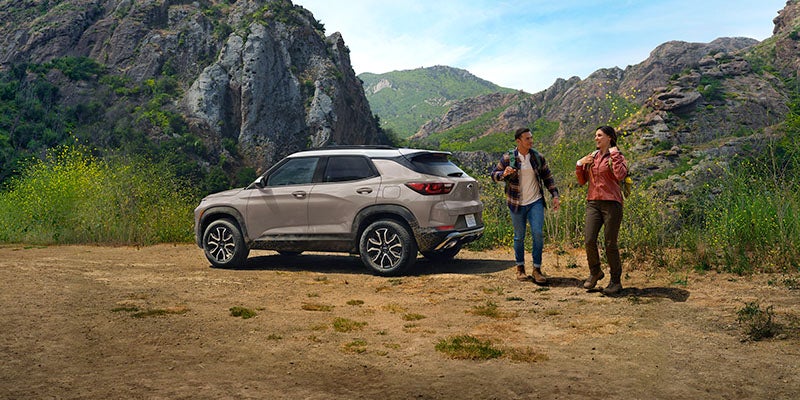
Gray Chevrolet Trailblazer SUV parked near a mountain trail with two people exploring the outdoors

Chevy Trailblazer vs Equinox: Which Chevrolet SUV Is Right for You?

If you're shopping for a new Chevrolet SUV in Valley Stream, NY, chances are the Trailblazer and Equinox have both caught your eye. These two models are among the most popular in the Chevy lineup - and for good reason. This Chevy Trailblazer vs Equinox breakdown will help you figure out which one fits your life best. Size and Space: Understanding the Difference The Equinox is the larger of the two, offering more interior room for passengers and cargo. It's a strong pick if you regularly haul gear, need extra legroom in the back seat, or want a roomier feel on longer drives. The Trailblazer is more compact, which makes it easier to park and navigate through tighter spaces - a genuine advantage for everyday driving on Long Island. Both models seat five passengers, but the Equinox gives you more breathing room overall. If space is a top priority, this Chevrolet SUV comparison tips in the Equinox's favor. Performance and Efficiency The Trailblazer is available with turbocharged engine options that deliver a spirited feel in a smaller package. It's lightweight and nimble, which adds to its appeal for commuters and city-adjacent drivers. The Equinox pairs solid performance with a smooth, confident ride that many buyers appreciate on highway stretches. Both vehicles offer front-wheel drive and available all-wheel drive configurations, giving you flexibility depending on how you like to drive. Either way, this Chevy Trailblazer vs Equinox matchup delivers reliable, well-rounded performance. Features and Technology Chevy has done a strong job equipping both vehicles with modern technology. Expect available touchscreen infotainment, wireless connectivity, and a range of driver assistance features across both lineups. The Equinox tends to offer more premium options at higher trim levels, while the Trailblazer punches well above its price point with tech that feels current and intuitive. Both models support available Google built-in apps, bringing a familiar and connected experience to your daily routine. From a features standpoint, this Chevrolet SUV comparison is genuinely competitive. Which One Should You Choose? Your ideal match comes down to your priorities. If you want a compact, efficient SUV that's fun to drive and easy to manage around town, the Trailblazer is a smart choice. If you need more space, more cargo room, and a slightly more premium feel, the Equinox delivers on all fronts. Both are well-built, well-equipped, and backed by Chevrolet's reputation for dependability. Visit Bical Chevrolet of Valley Stream Comparing the Chevy Trailblazer vs Equinox is easier when you can see them side by side. Stop by Bical Chevrolet of Valley Stream to explore both models in person, ask questions, and find the Chevrolet SUV that's the right fit for you. The team is ready to help you drive home in the right vehicle.